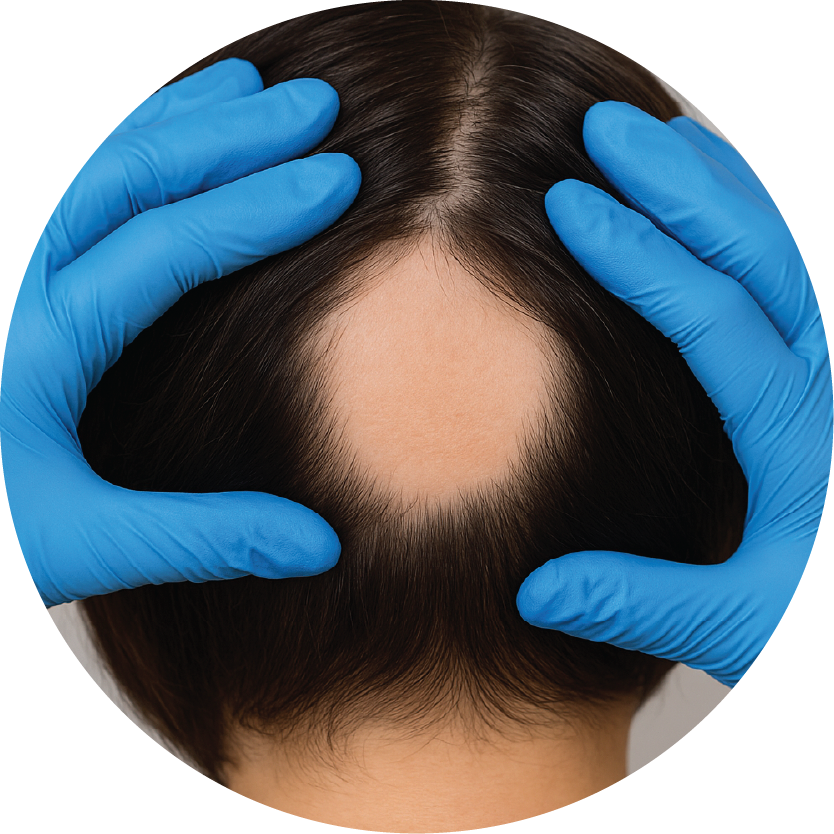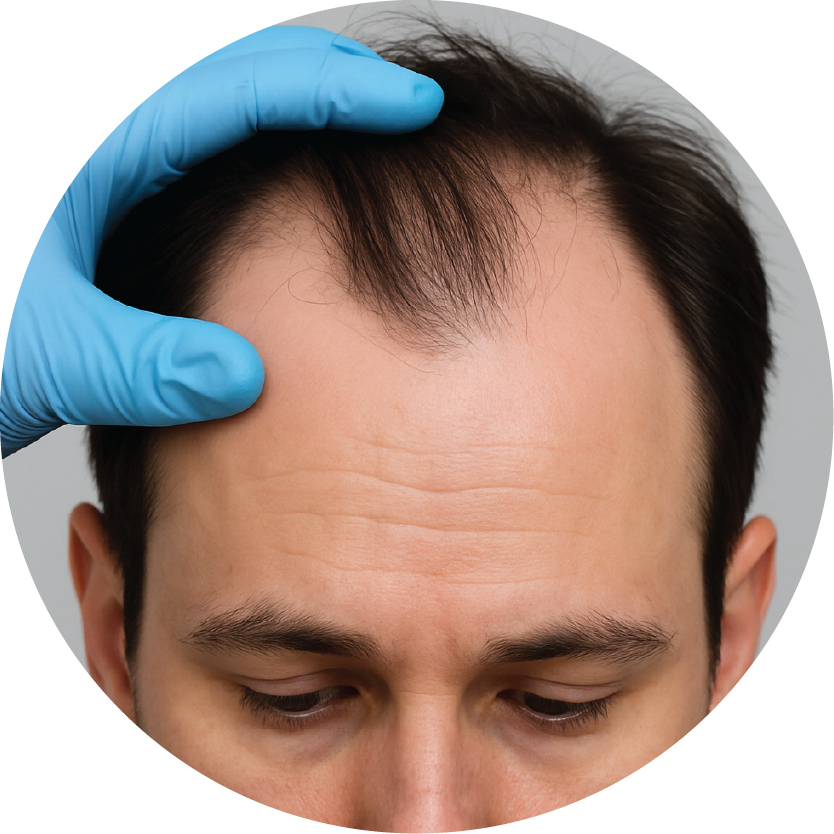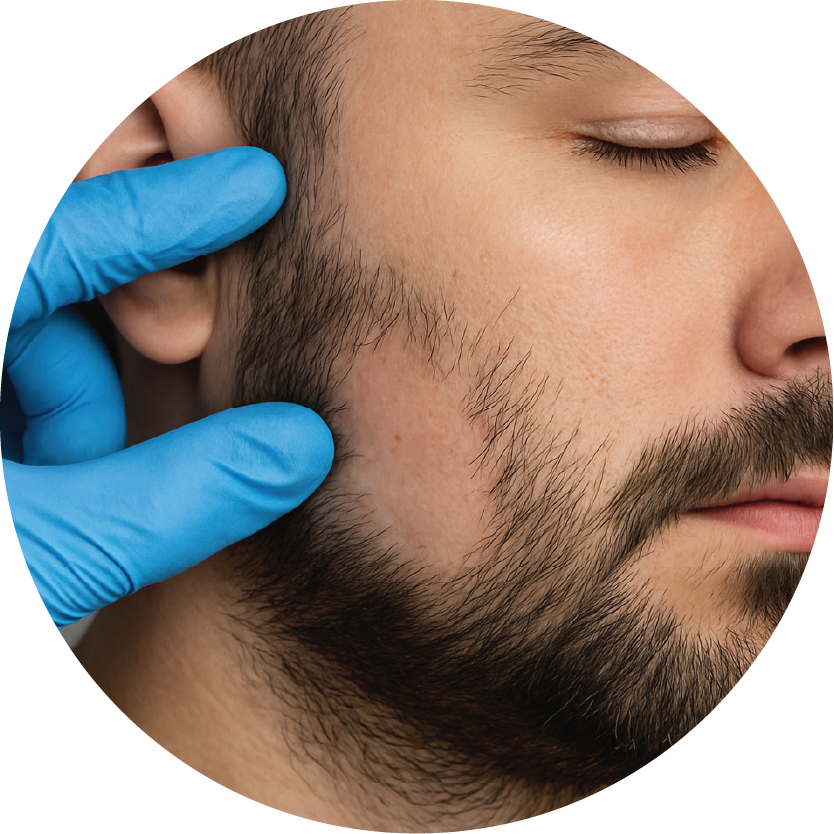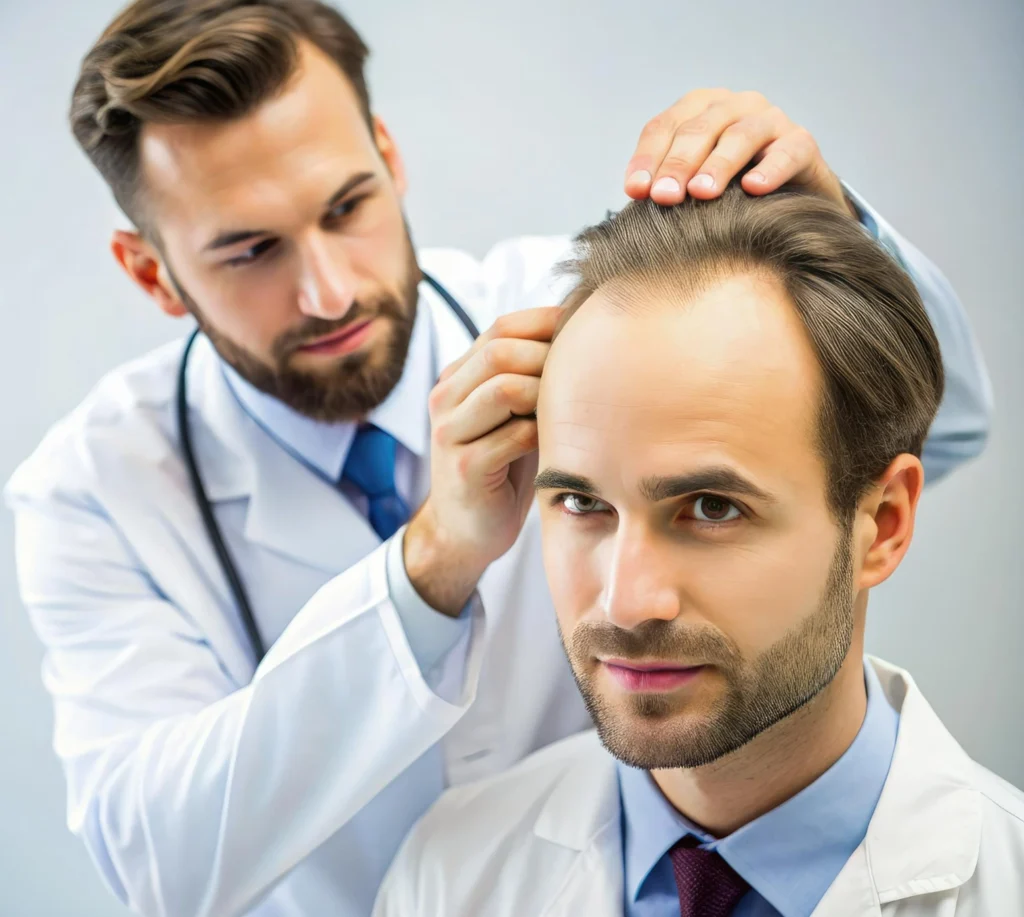


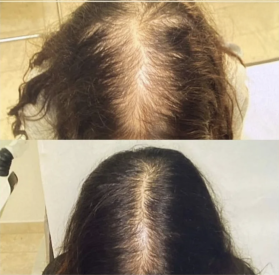
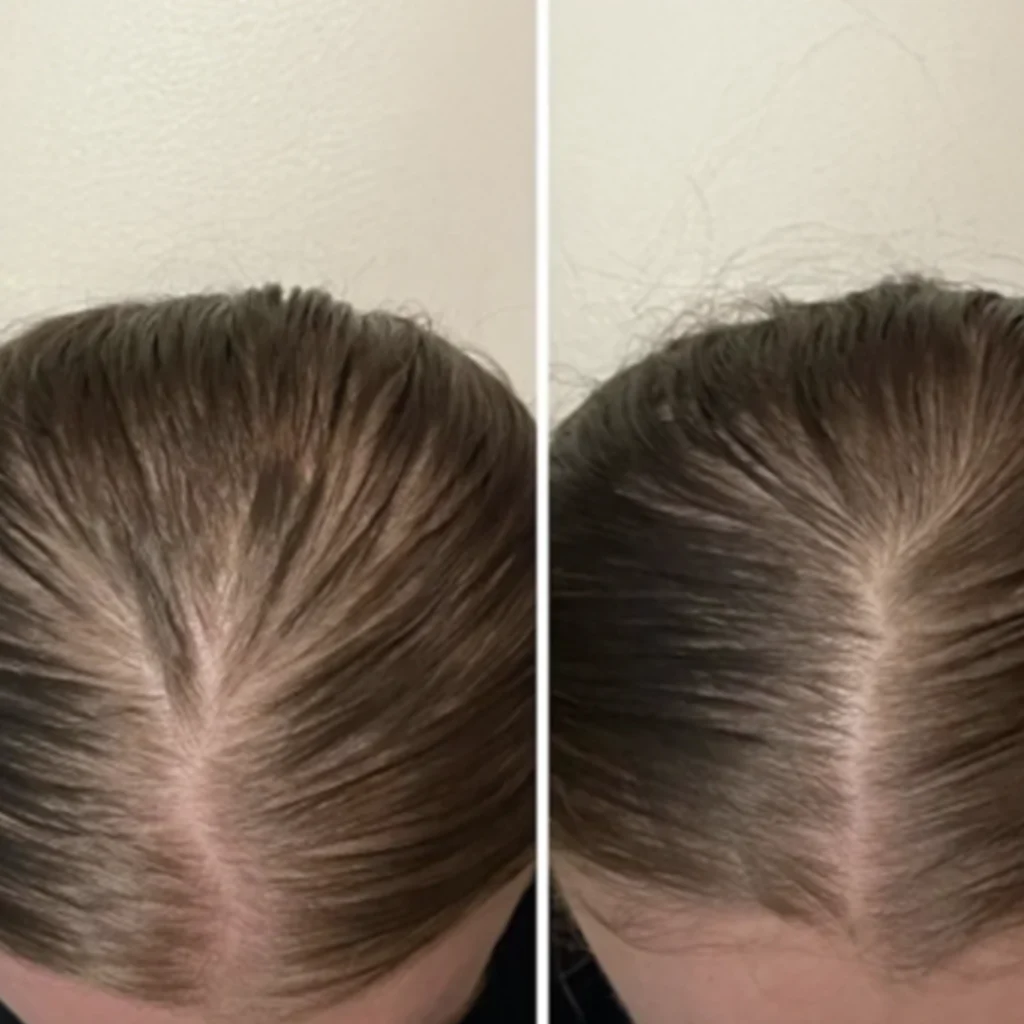
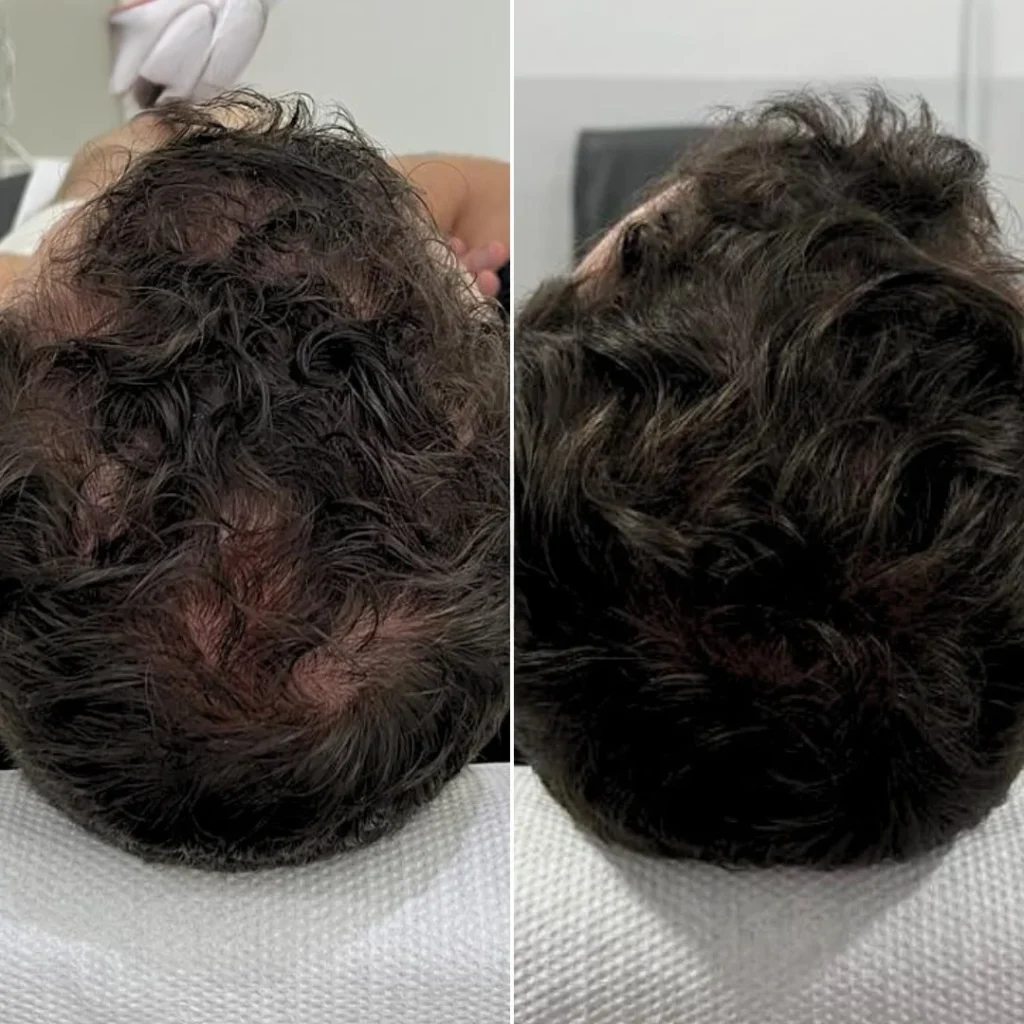
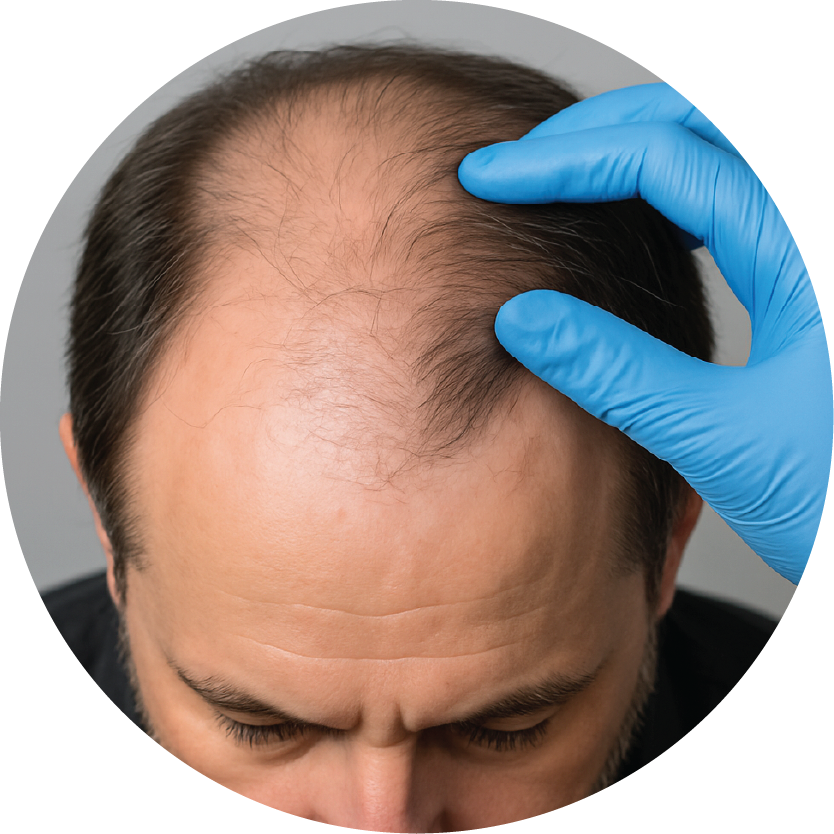
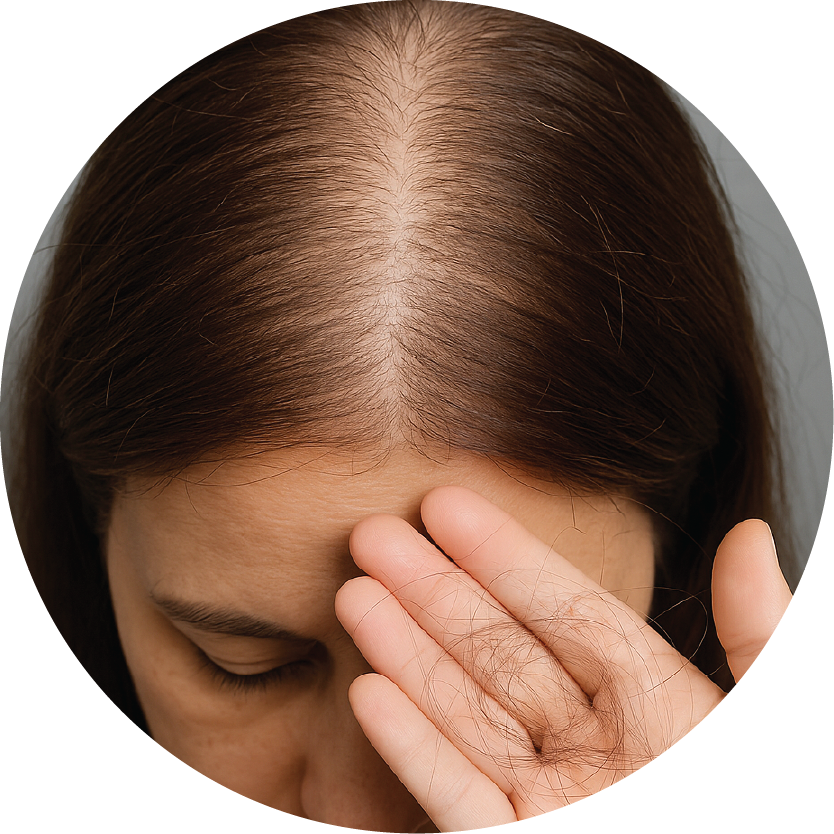
Hair loss (alopecia) is the gradual or sudden reduction of hair density caused by disruptions in the growth cycle. Common types include androgenetic alopecia (pattern hair loss), telogen effluvium (stress-related shedding), and alopecia areata (autoimmune). Triggers range from genetics and hormones to stress, nutritional deficiencies, illness, medications, and scalp inflammation. Signs include widening part, diffuse thinning, receding hairline, and increased shedding.
Diagnosis involves history, scalp examination, pull tests, and labs. Early management improves outcomes. Evidence-based options include topical minoxidil, oral medications, microneedling, growth-factor injections, low-level laser therapy, and lifestyle support. A tailored plan targets causes and protects follicles.


More follicles per area
Fewer hairs lost daily
Greater shaft diameter, resilience
Sharper, more defined hairline
Balanced scalp, reduced inflammation
Visible improvement, renewed confidence
Certified hair-loss
clinical experts
Clinically validated
treatment methods
Tailored regrowth
roadmaps per case
Trichoscopy, labs,
precision hair growth therapy
Clear costs and
guided aftercare
Aesthetic Doctor
Specialist Dermatology
Results typically appear after a few weeks, with improvements continuing over multiple sessions if required.
Goals, history; scalp exam, trichoscopy, and labs to find causes
Topicals, oral therapy when appropriate, targeted supplements
Hair growth injections, microneedling/mesotherapy, low-level laser (LLLT)
Anti-inflammatory scalp care, dandruff control, nutrition, stress/sleep
Photos and shedding counts; adjust every 8–12 weeks; long-term plan
Hair loss can be caused by several factors, including genetics, hormonal changes, stress, nutritional deficiencies, scalp conditions, and certain medical treatments like chemotherapy. Identifying the root cause is important for choosing the right treatment.
Not always. Some forms of hair loss, such as genetic pattern baldness, can be permanent without treatment. Others, like stress-related or nutritional hair shedding, are usually temporary and improve once the underlying issue is resolved.
In many cases, yes. Maintaining a healthy lifestyle, eating a balanced diet rich in vitamins and proteins, reducing stress, and avoiding harsh hair treatments can help minimize hair loss. However, hereditary hair loss may not be fully preventable.
Treatment options include topical solutions (like Minoxidil), oral medications, hairloss therapy, hair transplants, laser therapy, and lifestyle changes. The right treatment depends on the cause and severity of hair loss.
You should consult a doctor if you experience sudden or patchy hair loss, excessive shedding, or if your hair loss is accompanied by other symptoms like itching, redness, or pain. A specialist can help diagnose the cause and recommend effective treatments.